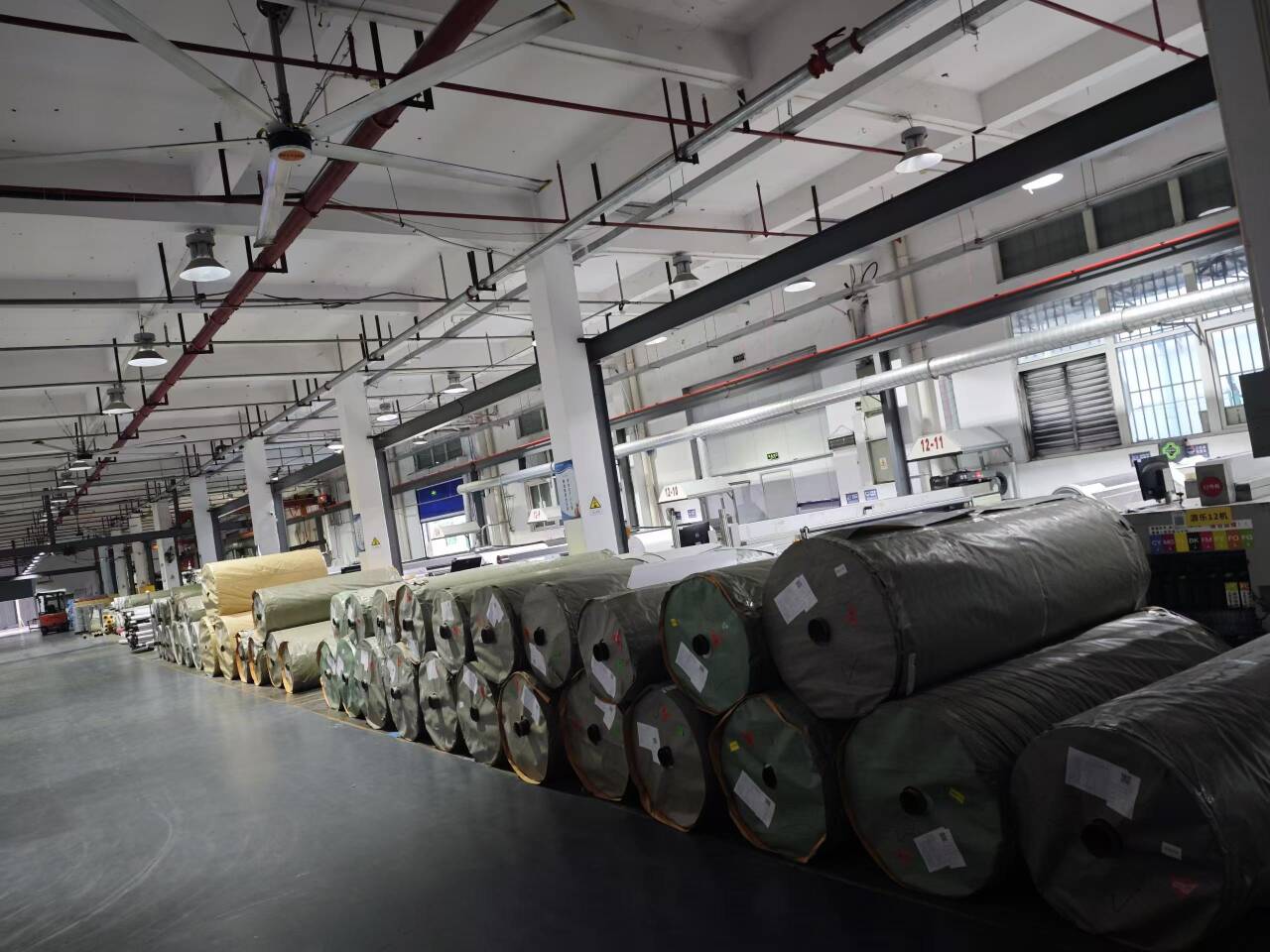
Quick answer: A supplier first reviews the artwork, dimensions and intended application, then proposes a material and sample route. The physical sample becomes the approval reference. Production follows the approved artwork revision, material and panel layout, with checks for print, surface, sequence and packing before shipment.
Custom production is not a single “print now” action. It joins design intent to material performance, print preparation, panel planning and delivery. Different suppliers use different equipment and wording, but the sequence below reflects the key checkpoints a buyer should expect.
1. The project brief
The brief should identify the space, dimensions, artwork, intended use and deadline. Useful inputs include wall elevations or floor plans, straight-on photographs, the source file or design reference, project location and any known technical requirements.
At this stage, gaps are normal. The supplier should be able to say which items are required for a quotation and which can be resolved before sample approval. A brief should not hide assumptions behind a single area figure.
2. Artwork and material review
The production team checks whether the design can be reproduced at the proposed size and on the proposed material. This may include image quality, colour conversion, fonts, bleed, edges, repeat direction, joins and the relationship between the artwork and measured space.
Material selection is reviewed at the same time. The right choice depends on whether the finish is for a wall or floor, the expected use, cleaning needs, available documentation and installation environment. Ask the supplier to identify the exact material in the quotation rather than describing it only as “custom print.”
3. Physical sample production
A sample lets the buyer see and feel the proposed material and review print appearance in person. It also creates a shared reference for future questions about colour and finish.
A small sample cannot show how a large graphic will read across an entire wall or floor. It also may not show lighting effects, pattern scale or seam placement. For important feature areas, ask whether a larger proof or mock-up is available.
Label the approved sample with the project name, material, artwork version, sample date and approver. Keep a duplicate or photograph the approved reference. This is particularly important when the project has many rooms, phases or replacement requirements.
4. Sample approval and revision control
Review the sample against the intended environment. Confirm both visual and practical criteria: overall colour direction, print detail, surface appearance, material handling and any required documentation. If something changes, create a new version rather than overwriting the approved reference.
- Name files with a clear project and revision identifier.
- Record the material and quantity approved with the sample.
- Confirm whether colour change from screen to print is acceptable.
- Sign off the panel layout and installation direction where relevant.
- Keep approved artwork, sample and order documents together.
Start with a physical reference.
Space Finishes coordinates samples from customer artwork and project dimensions. Sample dispatch is targeted within 3 days; production timing typically begins after artwork and material approval.
Request a project sample5. Production planning
Before bulk production, the supplier should confirm the approved material, quantities, artwork revision, panel sequence and packing plan. Any artwork processing step such as resizing, tiling or background extension should be documented.
Production planning may also cover how panels are labelled, how much trim allowance is included, which direction the design runs and how the delivered pieces map to the room. For a hotel room schedule or a multi-zone retail fit-out, this planning prevents an installation team from receiving attractive but indistinguishable rolls.
6. Production and quality checks
During production, the supplier should compare the output with the approved sample and artwork reference. Checks may include print appearance, material handling, panel count, sequence, dimensions and visible defects. The exact test routine depends on the product and supplier, so ask what is included.
The final inspection should also connect the product to the approved order: is the correct artwork revision present, is the panel count complete, and does the packing list match the project scope? A last-minute visual check is not a substitute for an agreed approval reference.
7. Packing and delivery
Packing should protect the material and help the installer work in sequence. Ask how rolls or panels are wrapped, labelled and grouped by room or area. Confirm delivery terms, destination, freight method and whether the site can store the material safely before installation.
Space Finishes targets production within 4–7 days after artwork and material approval. This is a production target, not the complete delivery schedule. Freight, customs, site readiness, sample review and installation must be planned around it.
| Checkpoint | Approved by | Evidence to keep |
|---|---|---|
| Project brief | Client and supplier | Dimensions, scope and target dates |
| Artwork | Design owner | Named source file and revision |
| Material and sample | Client or project approver | Labelled physical sample and notes |
| Panel layout | Client, supplier and installer | Layout drawing and installation direction |
| Production release | Authorised buyer | Final quote, material and artwork revision |
| Dispatch | Supplier and site team | Packing list, labels and delivery documents |
What the buyer should keep
- The final dimensions, wall or floor plans and installation direction
- The approved artwork file and its revision name
- The physical sample or a controlled record of it
- The exact material reference and available documents
- The approved panel layout and seam plan
- The final quotation, inclusions and exclusions
- The production and delivery schedule
- Packing list and receiving inspection notes
If the project requires a repeat order later, these records let the supplier refer back to the right material and artwork instead of starting from an unidentified image. For preparation details, return to the wall measurement and artwork file guide.
SAMPLE AND PRODUCTION
Move from design direction to a physical approval.
Share your artwork, dimensions and application. Space Finishes can review the project and coordinate the sample route before production.